Table of Contents


Opening a new resale store is an exciting venture—but success doesn’t stop at your store's grand opening. The real work begins with getting your name out there, attracting loyal shoppers, and making your mark in your community. Whether you're in the early planning stages or just opened your doors, marketing your consignment shop the right way is key to growing your brand and driving consistent foot traffic and sales.
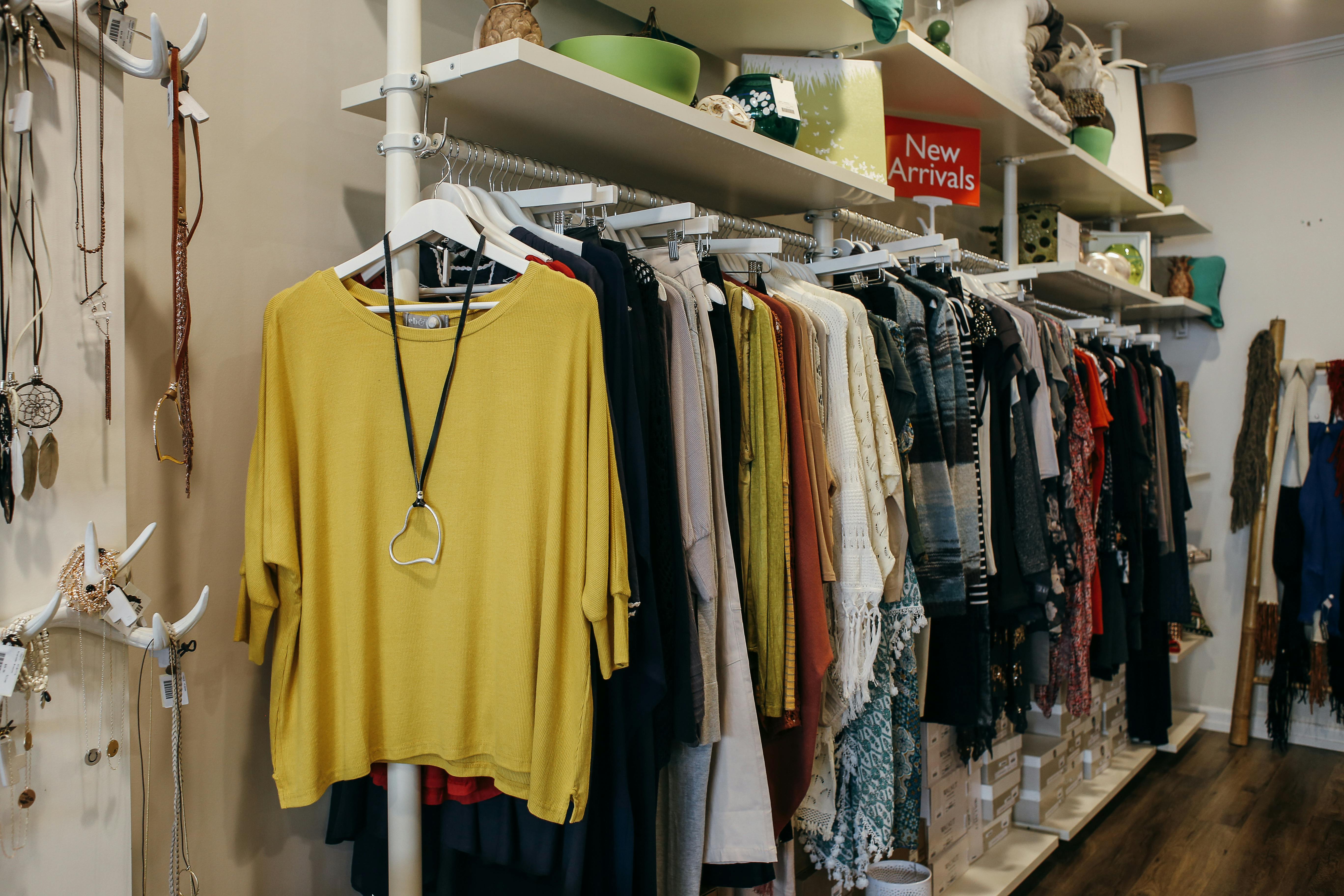
Here’s how to market your new consignment store like a seasoned pro.
1. Get in Front of Consignors
Consignors are the supply life-blood of a consignment store, so it’s essential that as soon as you know you’re opening (far before you actually open your doors to shoppers), you start soliciting consignments. There’s a few key items that will help ensure you’re set up properly to support consignor marketing:
- Determine the details of how you want to handle consignment - hours for drop offs and reviews, return goods or donate, etc.
- Have a consignor agreement easily accessible
- Set up a consignor-specific email for consignment inquiries. For example: Consignment@storename.com.
- Prepare an automatic email response that thanks the sender for their message and shares the answer to the most frequently asked questions about consignors and consignment.
- Start marketing to consignors: get the word out via local media placements, word of mouth, email newsletter to family and friends, promotional flyers, etc.
2. Claim Your Business Listings & Leverage Social Media
Make sure your store shows up where your customers are searching. Claim and update your profiles on:
- Google Business Profile
- Yelp
- Nextdoor
- Local directories or resale networks
Encourage happy shoppers and consignors to leave reviews—it boosts your credibility and visibility in local search results. You can encourage shoppers to leave reviews by offering discounts, store credit, or other incentives.
Your social channels are a powerful (and free!) way to promote your consignment store. Share daily or weekly featured items, behind-the-scenes stories, staff picks, consignment intake tips, and more!
Instagram and Facebook are must-haves for resale store marketing. Use features like Reels and Stories to showcase new inventory the moment it hits the floor—it's a great way to create urgency and keep followers engaged. Don’t overlook TikTok either. Many younger shoppers turn to TikTok to discover resale and secondhand shops in their area, making it a powerful tool to reach new customers and build brand awareness.
3. Host a Grand Opening or In-Store Events
Create buzz and on-going engagement with in-store events, special guest curation, or pop-ups. Invite your community in with a:
- Grand opening celebration
- “First Dibs” night for VIPs or consignors
- Seasonal or clearance sale
- Partner event with another local business
Capture emails at the event so you can start building a newsletter list—a crucial tool for long-term marketing.
4. Start an Email Newsletter Early
Your email list is one of your most valuable marketing tools. It keeps your store top of mind and drives repeat visits.
Send regular updates like:
- New arrivals
- Consignment openings
- Style tips or lookbooks
- Upcoming events
- Promotions and coupons
Complement your newsletter with additional marketing channels, such as shopping cart reminders, waitlists and wishlists for online stores, and special local partnerships with media and influencers.
*Pro Tip: Encourage shoppers to create TikToks featuring your store or their favorite finds by offering a small incentive—like a discount or giveaway entry. You can also always start creating your own fun, in-store TikToks to highlight new arrivals and show off your shop’s personality! Here are some examples in the Chicago area.
5. Track What’s Working (and What’s Not)
Marketing your consignment shop is ongoing. Use tools like Google Analytics, social media insights, and your consignment POS reporting to understand what’s driving traffic and sales.
Pay attention to:
- Where your customers are coming from
- Which social posts get the most engagement
- Which categories are flying off the shelves
This data helps you double down on what’s working—and ditch what’s not.
Start Strong. Grow Steady.
Marketing your new consignment store doesn’t have to be overwhelming. With the right foundation and a few strategic moves, you can build a brand your community knows, loves, and supports.