Table of Contents


Visual merchandising is an essential strategy for resale stores to keep their consumers engaged while walking through their stores. Visual merchandising is the art of displaying products to enhance their appeal and, by extension, boost sales. Attracting customers and encouraging purchasing decisions may be challenging, but for resale stores in particular, you also need to overcome any prejudices against second-hand goods.
This blog explores effective visual merchandising techniques tailored for resale stores—whether you're a consignment, thrift, vendor mall, antique shop, or buy outright store. Our insights can help transform how potential buyers perceive and interact with your merchandise.
Create Your Brand Environment
Creating your brand's environment is all about thoughtful product placement and layout. By carefully planning how you arrange your items, you can guide your customers through your store, showcase key pieces, and craft an inviting atmosphere that encourages browsing and buying. This process also helps build a strong brand identity that your customers will come to recognize and love. Before you start designing, take the time to understand your target audience. Get to know their preferences, shopping habits, and lifestyles to tailor your merchandising strategy to their tastes and needs. In resale shops, where each item has its own story and character, it’s essential to categorize products by theme or style—like organizing clothing by eras or colors—to create a visually appealing and intuitive shopping experience for your customers.
1. Lighting and Ambiance
Your store's lighting and ambiance play a huge role in shaping your customers' mood and behavior. A well-lit, welcoming environment can make your store more inviting and enhance the shopping experience. The right combination of ambient, task, and accent lighting can highlight your products and create a warm, inviting atmosphere. For instance, bright LED lights are energy-efficient and great for showcasing key items, while soft, warm lighting can foster a cozy, pleasant environment. Alongside lighting, incorporating the right music, scents, and decor can make your store even more appealing and enjoyable for your customers.
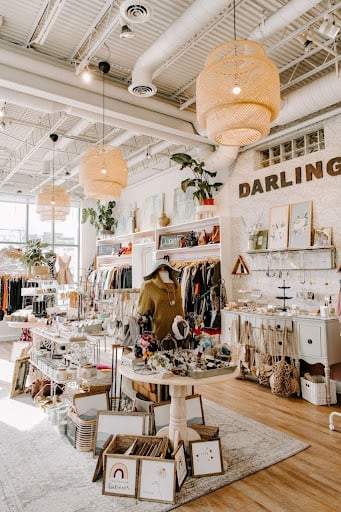 Photo Credit: Darling X Dashing Boutique
2. Incorporating Color
When it comes to retail displays, there’s one golden rule to remember: "When in doubt, color it out." This wise advice comes from Michelle Sherrier, the brilliant owner of MC Design Collaboration and host of The Retail Whore Podcast. With over 40 years of experience in the retail world—having owned three stores at the iconic Fred Segal Santa Monica and led visual merchandising at Santa Monica Anthropologie—Michelle truly knows her stuff. She emphasizes that grouping items by color simplifies the shopping experience and creates a cohesive and inviting atmosphere. Imagine walking into a store where everything from candles to books to apparel is beautifully coordinated in shades of blue; it’s a simple yet powerful way to make products pop and turn a potentially chaotic display into a harmonious, easy-to-navigate shopping haven.

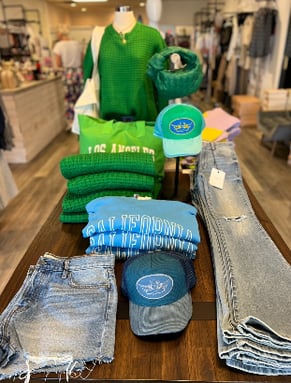
Photo Credit: MC Designs
This summer, make the most of color in your visual merchandising. Embrace bright, vibrant hues like turquoise, coral, and sunny yellow to evoke warmth and happiness, drawing customers in and making your displays stand out from a distance.
3. Sensory Experience
Another great tip by Michelle Sherrier is incorporating natural elements like plants, herbs, and fresh bread into your displays. These sensory touches create a rich, inviting atmosphere that captivates customers and enhances their shopping experience. For example, adding fresh rosemary, lavender, or even a loaf of freshly baked bread introduces delightful scents and visual appeal that make your store feel warm and welcoming. These simple, non-sale items act as contextualizers, enhancing your displays without overwhelming them and engaging the senses of smell and sight for an immersive experience.
And here's another idea: rethink and reuse everyday materials for your displays. You don't need to spend a fortune to create stunning visual merchandising. Instead, get creative with repurposing items you already have to add a unique and personal touch to your displays.
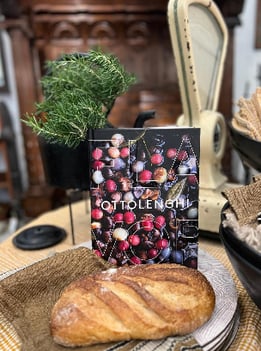
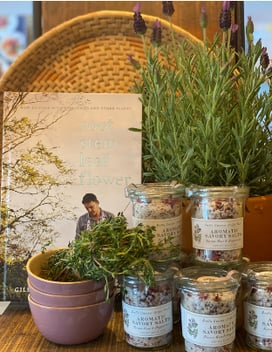
Photo Credit: MC Designs
Learn more about how merchandising is storytelling with expert tips, advice, and real-life examples in our recent webinar with Michelle Sherrier here.
4. Cross-Merchandising
Cross-merchandising is another powerful technique championed by Michelle. This method is about weaving products together to create engaging stories that encourage customers to make additional purchases. For instance, if you’re showcasing vintage pottery, consider pairing it with new cookbooks and gourmet pantry items. This approach creates a more compelling display and tempts customers to add complementary items to their purchase—like someone picking up a vintage breadboard who might also be drawn to a cookbook or some artisanal jams. By blending the old with the new and mixing practical with decorative, you offer a richer shopping experience that enhances the appeal of various product categories.
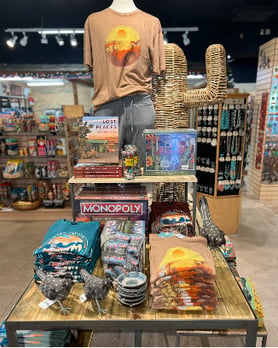
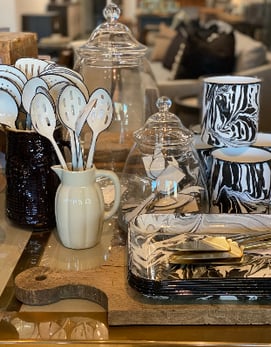
Photo Credit: MC Designs
Top Tip: Group similar items together to help customers easily find their needs. You can organize by color, size, type, or style, and use themed groupings or storytelling techniques like "Outfit of the Day" or "Seasonal Must-Haves" to inspire and encourage cross-selling.
5. Effective Use of Signage
Signage is essential for guiding customers, sharing important information, and promoting special offers. Well-designed signs can enhance the shopping experience by making it easier for customers to find what they need and stay informed about prices, product details, and directions. Clear, attractive signage helps highlight different sections, special promotions, and new arrivals. Ensure your signs are easy to read and align with your store’s overall aesthetic. In a boutique setting, handwritten signs can add a charming, personal touch, while professionally designed signs can effectively communicate information and boost your store’s appeal.
6. Maintain Cleanliness and Organization
Maintaining a clean and organized store is crucial for creating an appealing, easy-to-navigate shopping environment. Regularly tidying up displays, ensuring products are in their designated places, and keeping the store clutter-free reflect professionalism and care, which helps build customer trust. Extra attention to organization and presentation is even more important in a resale store, where items may have some wear and tear. Rotate displays frequently, keep shelves tidy, and ensure all items are clean and well-presented. This enhances the visual appeal of your merchandise and demonstrates that your products are of high quality and well cared for, which can boost customer confidence and encourage more purchases.
7. Seasonal and Trend Updates
Regularly updating your displays to reflect current seasons and trends to stay relevant and engage customers. Feature seasonal items prominently at the front of the store and decorate in line with holidays or special events. This approach keeps your store looking fresh and contemporary and shows customers that you’re in touch with the latest styles and trends.
Maintaining a consistent theme throughout your store creates a cohesive and inviting shopping experience. Whether you choose a vintage chic, modern minimalism, or bohemian eclectic theme, sticking to it will make your store more memorable and visually appealing. A well-chosen theme helps reinforce your brand identity and enhances the overall atmosphere of your store.
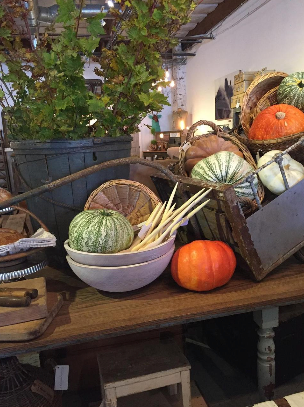
Photo Credit: MC Designs
To Wrap Up
Visual merchandising is a fantastic way to elevate the shopping experience in your resale store and make it a place customers love to visit. By thoughtfully designing your store’s environment, you can showcase your products in the best light and create a brand identity that truly connects with your audience. Every detail can make a big difference from setting the mood with the right lighting and ambiance to using vibrant colors and sensory touches to make your store stand out.
Consider incorporating creative techniques like cross-merchandising to tell a story with your products or using strategic signage to highlight special offers and new arrivals. Keeping your displays fresh with seasonal updates ensures your store stays relevant and exciting. Plus, a clean and organized space reflects professionalism and care, helping to build customer trust and confidence in your merchandise.
Whether you run a consignment shop, a thrift store, or an antique mall, these visual merchandising tips will help you transform your store into a welcoming, dynamic space that attracts customers and keeps them coming back for more. Embrace these ideas to make your store a place where every visit feels special!
.jpg)
.webp)